


 Citation HR
 HR Advice Line
 HR Software
 Citation Safety
 Safety Advice Line
 H&S Software
 Citation Certification
 ISO
ISO


 HR & Safety Software
  ISO Training Academy

Blogs
Construction and engineering industry certification
Meet the challenges of the high-risk construction and engineering sectors by committing to industry best...
29 June, 2026
 Blogs
10 March, 2026
Blogs
10 March, 2026
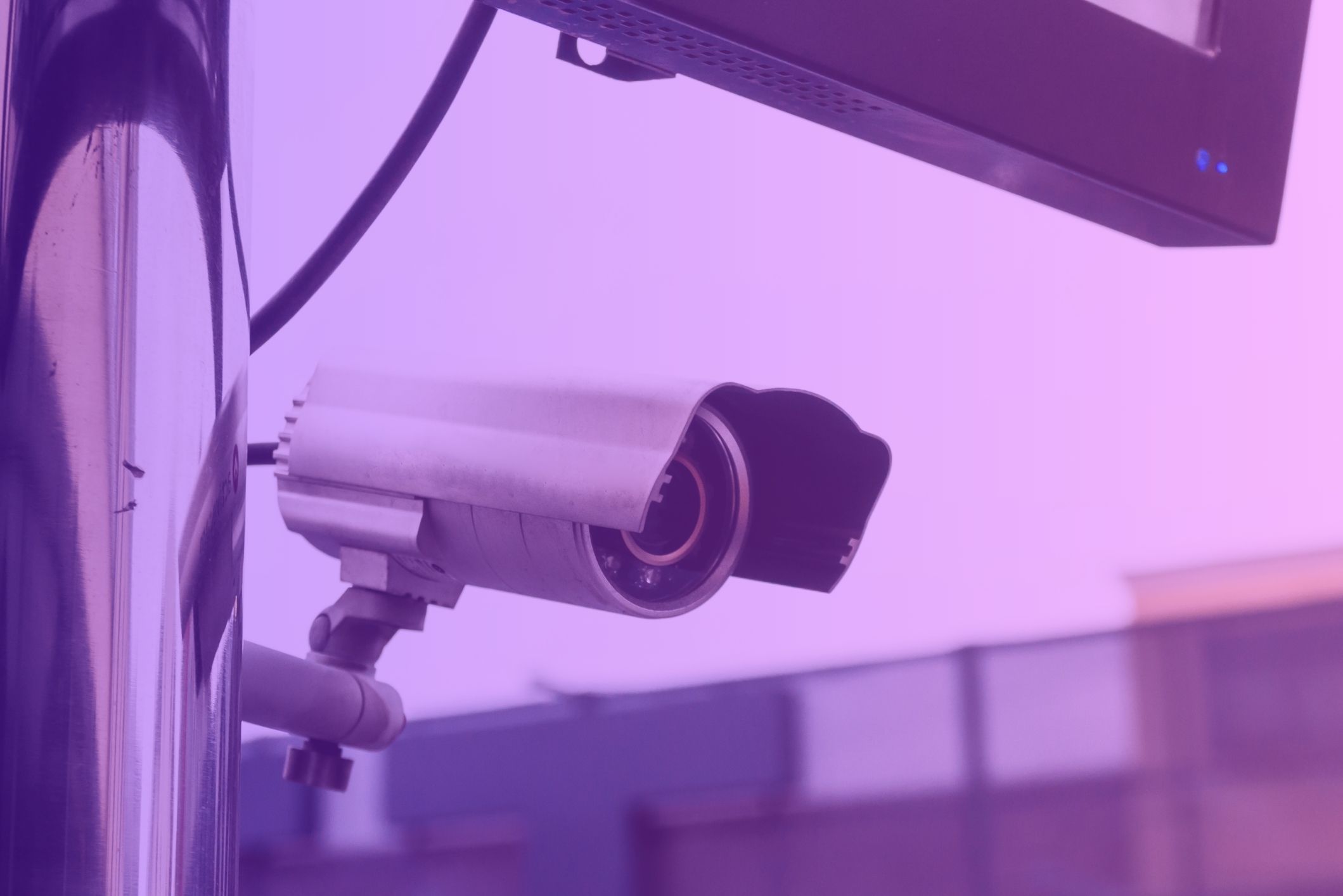
Workplace surveillance is increasingly common, typically used to monitor safety and security. But without a clearly defined and legally compliant policy, using surveillance can easily backfire. Employers who gather footage or recordings without following legal and privacy obligations risk facing personal grievances, breaching employee privacy rights, and risk losing the ability to rely on that evidence if a claim occurred.
Under the Employment Relations Act 2000, employers and employees owe each other a duty of good faith, which includes being open and communicative about important matters – like workplace monitoring.
In addition, under the Privacy Act 2020, surveillance that collects personal information is subject to several Information Privacy Principles (IPPs). Key employer obligations include:
Without clear notification and a valid reason for collection, surveillance may breach the Privacy Act—even if the footage shows wrongdoing.
In 2018, a delivery worker complained to the Privacy Commissioner after learning their vehicle had both video and audio recording. While the Privacy Commissioner accepted that visual monitoring was potentially justifiable for safety reasons, the continuous audio recording was ruled excessive and breached multiple privacy principles. Namely, for lawful purposes, people must be aware of collection, and collection must not be unreasonably intrusive. The Privacy Commissioner held that employees were entitled to a reasonable level of privacy even during work hours. This case highlights that surveillance of employees must be proportionate and fair.
In Booth v Hirequip Ltd [2012], an employer had concerns that the employee was being dishonest with their work activities. The employer wasn’t satisfied following an initial chat with the employee. The employer then conducted covert surveillance on the employee by driving a family member’s car and following the employee around all day. This included waiting for the employee to leave their family house and drop his son off at school. A warning was issued despite the employee not knowing they were being monitored or receiving clarity around the alleged breaches of policies and procedures. The employee raised a personal grievance, arguing they had no knowledge of the monitoring. The ERA ruled the covert surveillance breached good faith and process expectations, ordering the employer to pay $7,500 in compensation and to remove the warning.
| Step | What employers must do |
| 1. Create a lawful surveillance policy | Define what kind of monitoring is done (e.g. cameras in reception), its purpose, and how long footage is retained. |
| 2. Notify staff | Inform staff in writing via employment agreements or handbooks. Get acknowledgement that they’ve read it. |
| 3. Collect proportionately | Avoid intrusive methods (e.g. hidden microphones, bathroom cameras). Stick to business-related areas. |
| 4. Use footage fairly | If using footage in disciplinary matters, share it with the employee and give them a chance to respond. |
| 5. Secure the data | Store recordings securely and control access. Delete when no longer required. |
| 6. Consult before installing | For new surveillance tools, consult staff or unions where applicable—especially in high-trust or private work environments. |
Failing to align surveillance practices with privacy law and employment rights can result in:
A documented surveillance policy helps ensure that your monitoring is lawful, transparent, and enforceable – and that any evidence you collect stands up under scrutiny.
Workplace surveillance can protect your people, assets, and productivity – but only if you get it right.
The Privacy Act 2020 and case law make it clear: surveillance must be reasonable, necessary, notified, and used fairly. Employers who follow best practices will not only protect themselves legally but also foster trust and transparency in their teams.
We know that employment law and compliance can be confusing, especially regarding privacy and process.
If any of the information in this article has raised any questions or concerns about privacy considerations, or if you have another workplace matter you need assistance with, you can contact our experts here.
Meet the challenges of the high-risk construction and engineering sectors by committing to industry best...


Even the safest workplaces aren’t immune to accidents.

The law now distinguishes employees based on total annual remuneration.

The update doesn’t tear up what came before. Instead, it refines the standard to better...

For businesses that use contractors, it’s important to understand what’s changed and what to do...